

Posted on

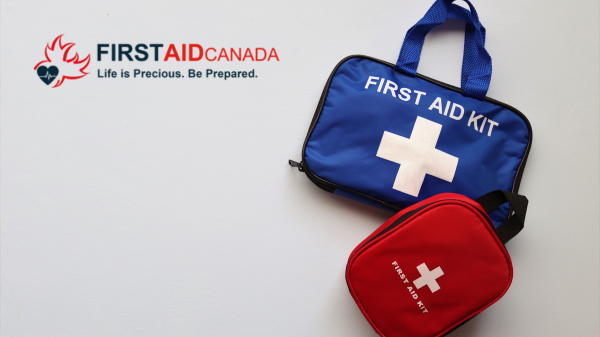
Inspecting Your First Aid Supplies

Inspecting Your First Aid Supplies: What to Look For

When was the last time you inspected your first aid kits? Did you know that it is recommended to inspect your first aid supplies at least once every three months?

Although overlooked by many people, inspecting your first aid supplies is vital to ensure you are fully prepared to handle an emergency. The last thing you would want to happen when faced with a workplace injury or life-threatening event is to realize that your first aid kit or defibrillator is not fully equipped with the necessary supplies.

Some things to keep in mind when inspecting your first aid kits, supplies and defibrillators (AEDs):

1. Ensure all items required based on your provincial regulations are accounted for.

2. Expiry dates of items including eyewash, ointments and AED pads/batteries.

3. Kits/Items are organized and are in good working condition (no damaged packaging).

4. Record the date of the inspection.

There are particular items such as fabric bandages which are often used up more frequently than others. If your home or workplace has tendencies to use up these items fairly often, consider restocking more of them to avoid running out of them as often. It is best to be over-prepared than under-prepared. 

First Aid Canada provides full refill of most first aid kits which can help minimize the time of the restocking process to the click of a button. For example, if you own the Ontario Section 10 First Aid Kit, you can order the Ontario Section 10 Kit Contents Only (or refill). The refill will contain a refreshment of all the items in your kit without the container itself that the products initially came in. This makes for an easy and organized kit replenishment.

Luckily, if you own a defibrillator you know there is little to no maintenance involved as most are able to notify you without you having to check (although it is still recommended to check once a month just to be sure).

If you are interested in learning more about defibrillators, check out a couple of our other blog posts below:

Why Everyone Should Know How to Operate a Defibrillator

Does Your Child’s School Have a Defibrillator?

Which AED is Right For Me?

Or from the defibrillators themselves:

Philips HeartStart Onsite Defibrillator Ready Pack

Philips HeartStart FRx Defibrillator Ready Pack

ZOLL Semi-Automatic AED Plus

ZOLL Fully-Automatic AED Plus

ZOLL AED 3 Semi-Automatic

ZOLL AED 3 Fully-Automatic

If you have any questions regarding your first aid needs, please do not hesitate to contact the First Aid Canada team.

Life is Precious. Be Prepared.

Posted on

3 Warning Signs of Cardiac Arrest

Couple sitting by lake

3 Warning Signs of Cardiac Arrest

Cardiac Arrest can happen at any age and at any time. Although these incidences can be extremely hard to predict there are three red flags or warning signs, which could save your life.

1. Dizzy Spells

Having dizzy spells or passing out during exercise can be a telltale sign of a heart condition. Dizziness can be a sign that your heart’s rhythm isn’t functioning regularly which may cause you to collapse. Luckily if you collapse with enough consciousness to wake up this is most likely a sign your heart was strong enough to regain its strength; however see a doctor immediately and explain your situation.

2. Fainting

Fainting due to being frightened by loud noises or being startled is a second red flag. This reason isn’t entirely proven by doctors as to why, but evidence shows it is important enough to mention as a caution for possible heart issues. Again, if this is a warning sign you may have or do experience it is important to see a physician right away.

3. Sudden Death History

A history of sudden death in your family at a young age or of drowning is considered a third red flag. Many cardiac conditions cause you to pass out during exercise, which if occurring in water can cause drowning in victims. It is important to be aware of these different occurrences as you could be at risk for heart issues due to your genetic history. Physicians can check your blood pressure or conduct an electrocardiogram, which can pick up electrical problems with the heart. More specialized tests include an echocardiogram (a heart ultrasound), which can identify issues such as Hypertrophic Cardiomyopathy or Arrhythmogenic Right Ventricular Cardiomypathy. It is important to note that these tests are not perfect, which is why anyone exercising needs be aware of the warning signs mentioned above. If you have chest pain, feel your heart beating too fast, shortness of breath, or feel yourself become faint during exercise, then stop and see your doctor right away. Having an Automated External Defibrillator onsite at any exercise facility or sporting center is extremely important. It is too often in the news we hear of people of all ages dropping dead due to cardiac arrest while playing sports or taking part in physical activity. There are many different AEDs to choose from; however in active situations First Aid Canada highly recommends the Philips Onsite Defibrillator. For more information you can check out a recent blog on defibrillators, “Which AED is Right for Me?” and/or the informational video below.

Life is Precious. Be Prepared.

Posted on

February is Heart Month

What is Heart Month?  For over 60 years the Heart and Stroke Foundation has organized Heart Month. It is has become one of the largest fundraising campaigns in Canada. February is widely recognized as the month of love. Ahem, Valentine’s Day. It will come as no surprise that February is also a month dedicated to raising awareness for cardiovascular health. While it may be endearing to have your heart skip a beat for the love of your life or for your breath to be taken away, make sure the experience is one of love and not that of oxygen loss or abnormal heart rhythm. Heart disease is a general term that refers to the heart not working the way it should. Various forms of heart disease are present at birth, while other forms develop as we age. Practicing a healthy lifestyle and staying up to date with medical research, resources and care are critical components to reducing heart disease and living your best heart-healthy life. Get Involved

  • Start with the basics… wear red to raise awareness
  • Eat heart-healthy foods (2019 Canada’s Food Guide)
  • Reduce stress by practicing age-appropriate physical activity
  • Prepare for heart health emergencies with the purchase of an AED 
  • Get screened for risk factors. Understand your unique risks.
  • Become an organ donor and/or donate blood at your nearest clinic
  • Learn CPR. Get certified. Contact First Aid Canada.
  • Limit alcohol and tobacco consumption
  • Promote overall wellness with a healthy sleep schedule

Did you know? Cardiac arrest – a potential symptom of a heart attack and stroke – occurs when electrical activity in the heart malfunctions. This can happen suddenly and without warning. It is important that you and your family, friends and coworkers learn CPR because with a combination of dialing 911, early CPR and defibrillation you can increase the chance of survival by 75% or greater when performed on someone suffering from cardiac arrest. In the spirit of February being Heart Month, First Aid Canada is offering reduced pricing and free shipping on all AED orders! Shop now while supplies last.  Follow us on Instagram  for more heart healthy tips, tricks and interesting facts.

Life is Precious. Be Prepared.

Posted on

Halloween Safety Tips

Young Girl Dressed up for Halloween

Halloween Safety Tips

Trick-or-Treat! Halloween is just around the corner so the First Aid Canada Team is here to provide you with some safety tips to enjoy your night to the fullest, as well as safest: Tips for Children

  • Trick or treat with you parents and/or groups of people
  • If you are heading out without your parents be sure to give enough time to return home by curfew
  • Wear reflective clothing or that which is vibrant colours
  • Avoid wearing masks, opt for face paints instead
  • Wait to cross the street at lights and cross walks and avoid from walking out behind cars
  • Bring a waterproof coat if there is a chance of rain

Tips for Parents

  • Plan a route in advance, be conscious about the weather
  • Educate your children on pedestrian etiquette and safety
  • Place the child’s name and number inside their costume
  • Inspect the child’s candy upon returning home
  • Keep in mind gum and hard candy can pose as a choking risk for smaller children
  • Be sure to wear reflective clothing if you are accompanying your child
  • Consider bringing along a small, compact first aid kit, such as our Belt Pack Kit
  • If you are not accompanying your child be sure to set a respectable curfew

Tips for Home Owners

  • Rake leaves any leaves as these can be extremely slippery
  •  Clear driveway and door path of hazards or obstructions
  • Have quality lights outside to guide guests
  • Provide allergy-conscious treats, such as those that are peanut-free
  • Providing small toys such as cars or bouncy balls is a healthy alternative
  • Use alternative candles in your pumpkins, such as those battery-operated

We hope you have a fantastic and safe Halloween. Please feel free to contact the First Aid Canada team should you have any questions on first aid and safety: 1-855-322-4243. Happy Halloween!

Life is Precious. Be Prepared.

Posted on

Ice Hockey First Aid Recommendations

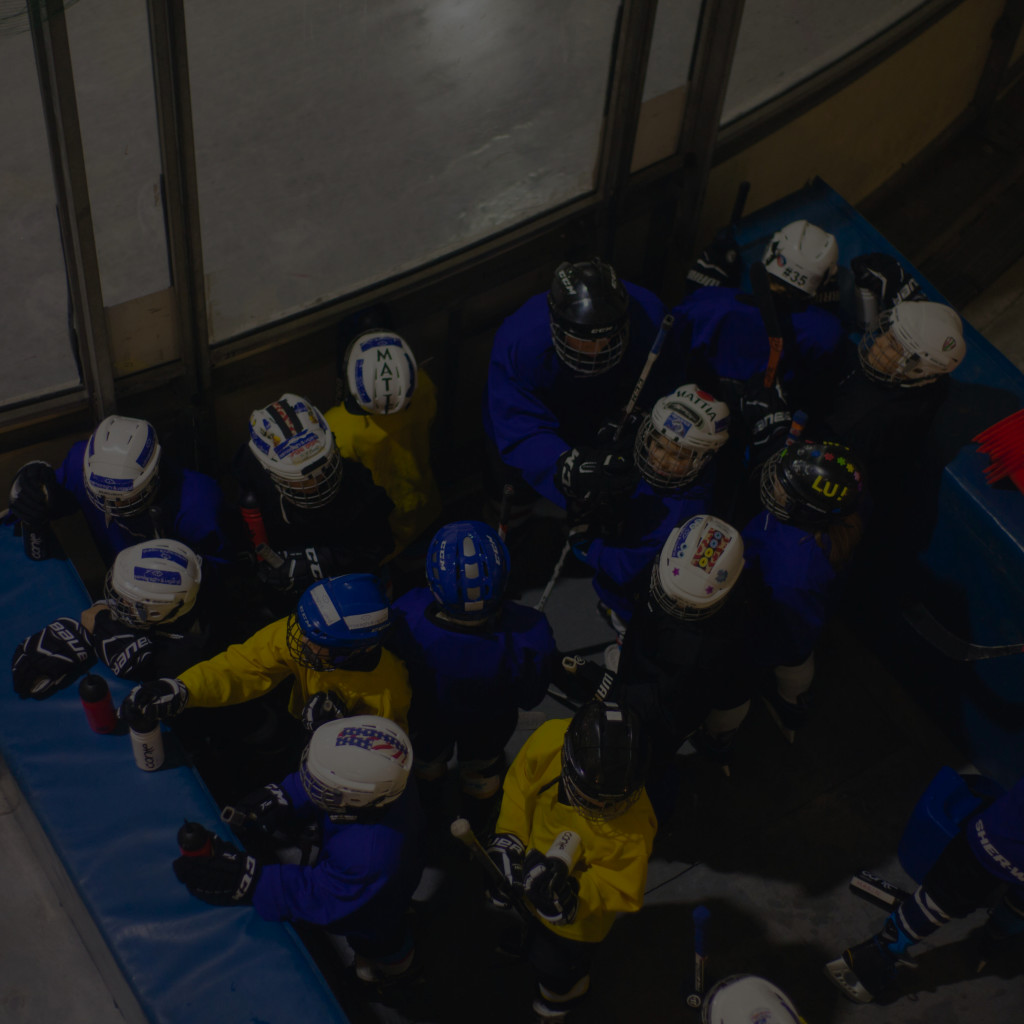
 Ice Hockey Accessories

 Ice Hockey First Aid Reccomendations

With the hockey season beginning it’s time to get prepared! It is important to gel as a team and work together whether it be with skills or in the case of an emergency.

Responsibilities every team has to maintain:

  • Accurate medical information files on all players
  • A player injury log even for small injuries
  • A regulation first aid kit

Additional responsibilities of a team:

  • Bring the First Aid Kit to all team activities, ex. Off-ice training and away games
  • Implement an effective Emergency Action Plan with your team and practice it regularly to ensure all involved understand their roles and are prepared to act promptly when an incident occurs

It is very important to coach players to recognize injuries that require a player to be removed from action. In a situation where a player is injured on the ice, follow these steps closely:

  • Take control and assess the situation when coming into contact with the injured player
  • Instruct the player to lay still
  • Instruct bystanders to leave the injured player alone
  • Do not move the athlete and leave all equipment in place
  • Evaluate the injury and situation
  • Once the severity of the injury is determined, make a decision whether or not an ambulance or medical care is required
  • If the injury is serious and warrants immediate attention that you are not qualified to provide, seek out someone with the highest possible level of first aid/medical expertise

Automated External Defibrillators are becoming more and more prevalent in community centres and specifically ice arenas. AEDs are used to save lives by shocking the heart when an individual falls under cardiac arrest. For more information on how they operate check out our blog: The SHOCKING Truth Behind AEDs.

Here are a couple of real life examples from Global News in Canada of how a defibrillator at an arena has proven to save lives:

We hope you never come across an emergency in your life; however it is important to be prepared. Here is a list of all of our Athletic & Sports kits, stocked and ready for all types of injuries:

First Aid Canada is pleased to offer all kits required above as well as additional products, equipment and supplies. If you have any questions regarding first aid and safety, please do not hesitate to contact the First Aid Canada Team at 1-866-322-4243.

Life is Precious. Be Prepared.
Posted on

Stroke Awareness: Signs & Symptoms

Xray holding brain

Stroke Awareness: Signs & Symptoms

A stroke is a sudden loss of brain function. There are two main types of stroke, this includes an ischemic stroke, caused by the interruption of blood flow to the brain or a hemorrhagic stroke, caused by the rupture of blood vessels within the brain. Brain damage can occur from stroke because neurons of the affected area of the brain can die when they are deprived of oxygen and nutrients. When facing a stroke every second counts. By recognizing symptoms and acquiring treatment you can save yourself from brain damage. By knowing and understanding these symptoms one can be prepared to take hurried action and perhaps save a life – possibly even your own life. Here are the most prevalent symptoms in both men and women: Numbness – Sudden numbness in face or limbs, especially on only one side of the body. Confusion – Sudden confusion or difficulty understanding speech. Vision – Sudden unexplainable blurred vision or loss of sight in one or both eyes. Dizziness – Dizziness leading to loss of balance or lack of coordination. Headache – Sudden severe headache with no explanation. Remember to act F.A.S.T: F – Face: Ask the individual to smile. Does one side of their face drop? A – Arms: Ask the person to raise both arms. Does one arm drift downwards? S – Speech: Ask the person to repeat a simple phrase. Is their speech slurred or jumbled? T – Time: If you observe any of these signs, call 9-1-1 immediately It is important to remember the facts above because unfortunately every 7 minutes in Canada, someone dies from heart disease or stroke (Statistics Canada, 2011c), making it the third leading cause of death in Canada (Statistics Canada, 2012). We pray you and your family and friends are never faced with this issue. May you have any questions on first aid or safety please feel free to contact the First Aid Canada Team: 1-855-322-4243.

Life is Precious. Be Prepared.

Posted on

Defibrillators Save Lives in Schools

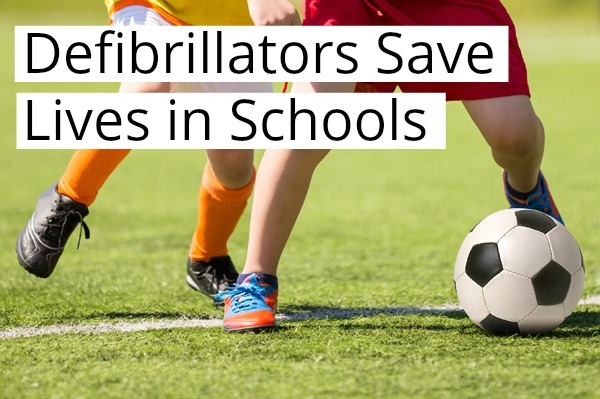
Children Playing Soccer at School

Defibrillators Save Lives in Schools

Having an AED onsite at school can mean the difference between life and death. Being September we felt it was important to go into detail of the value of having a defibrillator onsite within schools.

Age Doesn’t Matter

There is a common misconception when it comes to cardiac arrest, often people believe it can only occur in aging or unhealthy adults, when quite commonly children can suffer from sudden cardiac arrest.

Often when cardiac arrest occurs in children it is related to a heart condition that had not yet been recognized or diagnosed, so a seemingly healthy and active child can suffer from sudden cardiac arrest. It is estimated that 5,000-7,000 children die from SCA each year. In addition to children, adults working in schools may also be at risk for sudden cardiac arrest or heart attack, making an automated external defibrillator a very important piece of first aid equipment to have onsite.

If you are unaware of the signs and symptoms of cardiac arrest, click here to check out a previous blog.

Easy to Operate

A common misconception about Automated External Defibrillators is that they are difficult to use, when in fact they are easy enough for a third grader to operate without having had previous training. The Onsite model of the Philips HeartStart Automated External Defibrillator provides step-by-step voice commands to instruct the individual using the device how to operate it in the case of an emergency. For more information and a demonstration check out the video below:

Easy Maintenance

Being an intellegent form of technology, many people misconceive that a defibrillator is hard to manage and maintain, when in fact it has been designed to not only be easy to use, but also easy to care for. The device automatically runs daily self tests to check the internal circuitry, waveform delivery system, pads cartridge, and battery capacity. The blinking green “Ready” light indicates the Onsite AED has passed its daily self test and is ready for use and when maintainance is needed an audible “chirp” will sound to identify attention needed.

In conclusion Automated External Defibrillators are highly reccomended within schools as both children and adults can benefit from them. It is important to be prepared in public places and an AED onsite can mean the difference between life and death. For more information on the Philips HeartStart Onsite Automated External Defibrillator, please click here.

Life is Precious. Be Prepared.
Posted on

Back-to-School Sports Safety Checklist

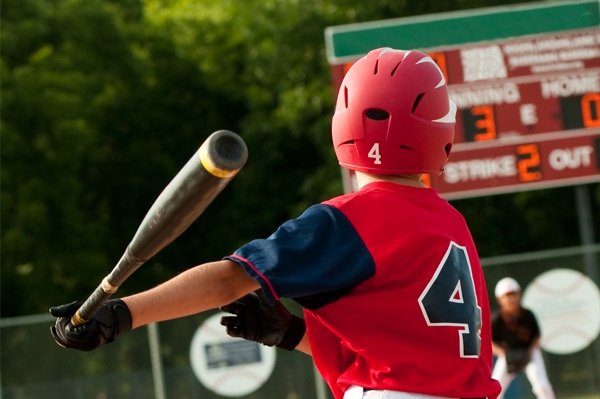
young child playing baseball outdoors

Back-to-School Sports Safety Checklist

With September just around the corner, back-to-school means back to organized school sports! We thought it would be a great time to give our recommendations for being prepared in active indoor and outdoor environments.

First Aid Kits

Having an adequate and fully stocked First Aid Kit is a must. It is always important to be prepared for a variety of injuries. First Aid Canada is pleased to offer a variety of athletic and sports kits to best suit your needs and specific sporting environment. These kits contain the supplies needed to tend to various injuries such as scrapes to twisted ankles. By having a properly stocked First Aid Kit hospital visits can often be avoided. Click on the First Aid Kits below for more information:

Treating Injuries

Common injuries can be a nuisance on the playing field, but learning how to quickly respond to different injuries effectively can reduce recovery time. The First Aid Canada team has published a blog on how to use heat and ice to treat injuries. To read more on that blog, click here. You can also find more information on the hot and cold therapy products we offer by clicking here.


Automated External Defibrillators

Cardiac Arrest is an unfortunate event that can occur at any age, at any time without any warning signs or symptoms. It is highly reccomended that all public places have an AED onsite. Wether these public places be pools, gyms, athletic centres or schools it can mean the difference between life and death. The First Aid Canada team has previously put together a blog on The Importance of AEDs in Schools, to outline specific reasons why schooling environments should carry onsite defibrillators. To learn more about onsite defibrillators, click here.

We hope these tips helped you in creating a safer school sporting environment and if you have any questions please feel free to contact the First Aid Canada team between 9-5 (EST) at 1-855-322-4243. Best of luck in all of your sporting events and let the games begin!

Life is Precious. Be Prepared.

Posted on

5 Ways to Fundraise for an Automated External Defibrillator

Hands holding heart

5 Ways to Fundraise for an Automated External Defibrillator

With Automated External Defibrillators being a high priced item, yet essential for saving lives in heart-related emergencies it can be contemplative determining how and when to make the purchase.

Defibrillator stories are continuously in the news and we are avid readers, Like us on Facebook for daily news stories related to lives saved by defibrillators and stories of how other people are fundraising for the cause worldwide.

Luckily, the First Aid Canada team has put together a few ideas to help kick-start your fundraising campaign for a defibrillator:

Community Bottle Drive

Community bottle drives are a great way for an organization to fundraise, especially during the summer months when the weather is favourable and people are collecting recyclables from weekend trips, barbecues and backyard shenanigans. By creating an event for your sports time or association you can draw attention before the collection by posting about it on social media and relaying to friends and family.

Community Car Wash

Similar to a community bottle drive, a community car wash is a great option for summer months. A great tip for events such as this is to create an event on Facebook. This can be created easily from your cellphone and can reach hundreds and even thousands of people!

Creating a Calendar

We’ve seen some pretty creative calendar ideas in the news! From firefighters stripping down to volleyball players striking their best pose, creating calendars is a great way to raise money. Producing a calendar is relatively inexpensive and print shops may even be open to donating their services for free. Whether it be for work, a sports team, a community centre, selling an exclusive calendar is a great way to bring in a lot of cash!

Collect Donations

Collecting donations is another great way to raise money for a defibrillator. There are many cases of organizations and associations doing this worldwide. From boy scouts to lawn bowling teams going door-to-door and approaching friends and family with your story can help raise attention and funds to a worthy cause. Don’t forget there are a lot of websites which enable you to collect donations more easily such as GoFundMe!

Fun Challenges

Lastly, fun challenges such as polar bear swims are a great way to collect pledges for defibrillators. By asking friends, families and your community for fundraising pledges to reach a goal to participate in a challenge, you are not only raising funds for the cause, but creating awareness around defibrillators and heart health!

We love to hear from you! If you or anyone in your community have fundraised for a defibrillator or are currently doing so let us know. For more information on defibrillators you can click here or contact us between the hours of 9-5 (EST) at 1-855-322-4243.

Life is Precious. Be Prepared.

Posted on

Checklist: Summer Roadtrip

Long Summer Road

Checklist: Summer Roadtrip

The Summer brings beautiful weather and vacations! Whether you’ve planned a roadtrip up to cottage country or one across the country this checklist will come in handy:

Route Check

Before heading out on your adventure be sure to check the road conditions ahead, such as those affected by weather or accidents. There are apps such as Waze, which can come in very handy, even on a shorter commute to work. Waze is a GPS app which will alert you of smaller road conditions such as potholes, but also larger issues such as traffic jams or accidents.

Vehicle Check

Prior to your trip be sure to check that your vehicle is up-to-date in all areas such as tires, oil changes, etc. Avoid any possible roadside emergencies by taking the time to have your vehicle checked over by a professional beforehand. The last thing you want to hear is your little one exclaiming, “Are we there yet!” As you attempt to change a tire.

Vehicle Distress Kit

Do you own a vehicle distress kit? First Aid Canada offers a variety of vehicle distress kits containing items which will aid in minor first aid to larger accidents and roadside issues. Our vehicle distress kits are available in smallmediumlarge and extra-large sizes.

Seatbelts

This one is a given! But of course we could not forget it. Seatbelts are so incredibly important we needed to make sure this is included on the list. Newer vehicles have notification sounds in regards to setbelts being on, but it never hurts to souble check your passengers, especially the younger ones who may need assistance with their booster car seats.

Water

Hydration is key every day. No matter if you are driving with the air conditioning on through Northern Canada, hydration keeps you healthy and alert. Reusable water bottles go a long way in Canada as we are a country abundant with fresh water! Staying hydrated means staying safe, drink up!

Stay Alert

Staying alert is key on a roadtrip. Rest if you feel the need to, this includes pulling over to the side of the road to take a nap if you need. Do not rely on stimulants such as caffeine or energy drinks to keep you focused on the road. The best thing you can do for yourself and your passengers is to take a simple rest to ensure safety.

Have an amazing trip!

Life is Precious. Be Prepared.

Posted on

How to Treat Insect and Wilderness Itches!

Lake Louise in Alberta

How to Treat Insect & Wilderness Itches!

If you’re checking out this blog it is most likely you missed last week’s blog on Preventing Unpleasant Insect Interactions and have found yourself in a sticky, or itchy situation! Luckily we have a few great products to introduce you to, which can help you in these situations:

Solarcaine First Aid Lidocaine Spray

Solarcaine First Aid Lidocaine Spray is a cooling spray by feeling, but also provides fast relief from pain associated with superficial wounds, minor burns, sunburn, wind burn and itching. This spray also contains aloe and vitamin E to soothe and rehydrate dry and chapped skin. For more information on Solarcaine click here.

After Bite Treatment Pads

After Bite Treatment Pads provide convenient and fast relief from the pain and itch of insect stings and bites. The pads are individually packaged in compact single-use foil sachets making them very convenient to pack in purses, day packs, first aid kits and more! The After Bite formula is stainless and evaporates quickly leaving skin dry. For more infomation on the After bite Treatment Pads, click here or keep reading for an alternative option.

After Bite Gel

After Bite Gel is well known for fast temporary relief from minor skin irritation and itching due to insect bites and stings. This solution can be used to treat the itching and swelling caused by mosquitos, black flies, ticks, bees, wasps and other bites and stings. This formula is packaged into a convenient size to fit into purses, pockets and pouches. For more information on After Bite Gel, click here.

Calamine Lotion

Calamine Lotion is well known for it’s pink colour, but in reality it does a lot more than look pretty! Calamine lotion relieves skin irritations and itching caused by insect bites and stings, mild sunburn, poison ivy and even the chicken pox. For more information, click here.

Tecnu Poison Oak & Ivy Cleanser

Tecnu is the original outdoor skin cleanser for removing poison ivy, oak and sumac oils that cause rash and itching. This product cleanses and decontaminates skin, tools, clothing, pets as well as other porous and non-porous items and also prevents irritation from spreading. For more information on Tecnu Poison Oak and Ivy Cleanser, click here.

Cortate Hydrocortisone Cream 0.5%

Cortate Hydrocortisone Cream is used for the temporary relief of minor skin irritations, itching and redness due to eczema, dermatitis, insect bites, poison ivy, poison oak, poison sumac, soaps detergents, cosmetics and jewelry. For more information on Cortate cream, click here.

After Ivy Poison Ivy Cleanser

After Ivy Poison Ivy Cleanser is brought to you by the trusted makers of After Bite. After Ivy is for use after contact with poison ivy, oak or sumac. This formula is hypoallergenic and both, dermatologist and pediatrician tested. For more information on After Ivy, click here.

Bite & Sting Extractor Kit

The Bite and Sting Extractor Kit does exactly what it sounds like! This comprehensive kit is prepared for the on-site treatment of insect and snake bites. The kit includes an Extractor Pump for removal of poisons from snakebites, bee and wasp stings, mosquito bites and more. Additional first aid items include: sting relief and alcohol prep pads, razor and bandages. For more information on the Bite & Sting Extractor Kit, click here.

Life is Precious. Be Prepared.

Posted on

How to Prevent Bug Bites & Stings this Summer!

Sitting beside a campfire holding mug

How to Prevent Bug Bites & Stings this Summer!

With the sun coming out more and more people are headed to the woods, beaches, lakes and rivers to camp out. Canada has so much natural beauty it is only necessary we all take advantage of the sights while the weather is in our favour. However; camping trips and being within nature means dealing with pesky flies, wasps and mosquitos. Luckily, First Aid Canada has many options to choose from in regards to prevention and treatment of insect bites and stings.

Prevention

In regards to preventing insect bites and stings First Aid Canada is pleased to offer three different brands. Here is a little more information on each of their offerings in hopes you will find one which best suits your lifestyle needs:

Croc Bloc

Croc Bloc Insect Repellant is extremely effective against mosquitoes and all biting insects including fleas and ticks, black flies, deer flies, gnats, biting midges, and mites. This product lasts 4-6 hours and has a very light scent. Croc Bloc is available in both towelettes and sprays. If you require a larger job of repelling hornets and wasps Croc Bloc also offers an insecticide spray for dealing with unwanted nests. To learn more about each of the products click the links below:

Muskol

Muskol insect repellant has the power to repel mosquitoes, black flies, biting midges, deer flies, stable flies, ticks and chiggers. Each application of Muskol provides up to 8 hours of protection! For more information on the products available check out the links below:

OFF!

Off! Insect Repellant is wards away biting insects, including mosquitoes, black flies, ticks, fleas and gnats. These products are well known for being non-greasy and quick-drying. The Deep Woods insect repellant can protect your skin from pesky insects in the wilderness whereas the Skintastic and Active repellants are for use in everyday outdoor situations. Skintastic contains added aloe vera for skin moisturization and Off! Active Repellant is reccomended for outdoor sports. For additional information on each of the products check out the links below:

Be sure to contact the First Aid Canada Team if you have any questions regurding insect repellant or use of product. Stay tuned for our blog next week where we will be covering treatment for unpleasant insect interactions!

Life is Precious. Be Prepared.