

Posted on

Ontario’s New AED Requirements for Construction Sites: What You Need to Know

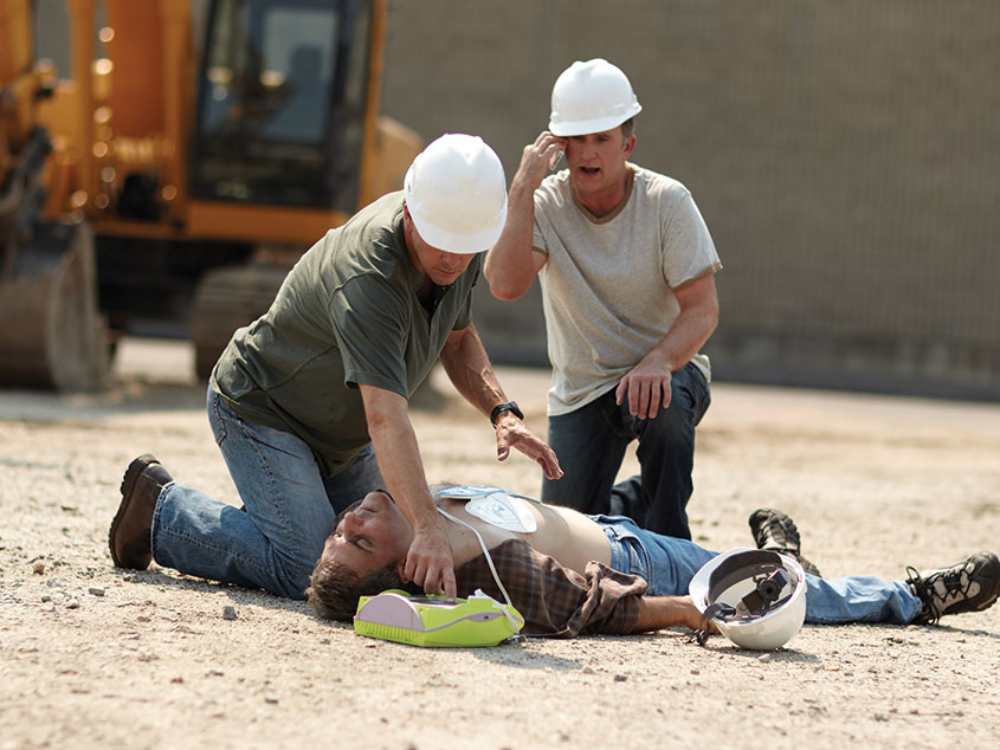
Beginning January 1, 2026, many construction sites in Ontario will be legally required to have Automated External Defibrillators (AEDs) on site under the updated O. Reg. 157/25. These changes are designed to improve emergency preparedness and increase survival rates during sudden cardiac arrest — a real risk on high-hazard job sites.

Below is a simplified breakdown to help construction companies and site supervisors get compliant.

When Your Site Must Have an AED

You must install and maintain an AED if:

  • Your site has 20 or more regularly employed workers, and

  • The project will last three months or longer.

Short-term or smaller sites may not require one, but having an AED is still strongly recommended.

AED Requirements: What the Law Specifies

To comply with Ontario’s new regulations:

Choose a Health Canada–licensed AED

Only AEDs approved as medical devices by Health Canada meet the new standard.

Stock the Required Accessories

Each AED kit must include:

  • 1 CPR mask

  • 1 pair of scissors

  • 2 pairs of medical-grade gloves

  • 1 razor

  • 1 garbage bag

  • 4 absorbent towels

These must be maintained and replaced as needed.

Store and Protect the AED Properly

  • Keep the AED and accessories together in a labeled kit.

  • Protect it from moisture, dust, extreme temperatures, and site contaminants.

  • Add extra protection if stored outdoors.

  • Install clear signage showing AED location, including the heart-and-lightning-bolt symbol and the required text (“AED” / “Automated External Defibrillator”).

Inspection, Testing & Training

To remain compliant:

  • Test and maintain the AED according to manufacturer guidelines.

  • Have a trained “competent worker” perform a quarterly inspection.

  • Keep an inspection log with dates, names, and signatures.

  • Ensure at least one worker trained in CPR/AED use is present whenever work is taking place.

How to Prepare Before January 1, 2026

  • Select a Health Canada–licensed AED suitable for construction environments.

  • Set up compliant signage and storage.

  • Build an inspection and record-keeping system.

  • Train workers so there is always someone on site who can use the AED confidently.

Need Help? First Aid Canada Is Your Trusted Resource

First Aid Canada is here to help construction companies meet these new provincial requirements. We offer:

  • Health Canada–approved AEDs

  • Compliant AED accessory kits

  • Storage, signage, and environmental protection solutions

  • CPR/AED training options

  • Expert guidance on inspections and maintenance routines

If you have questions or need help choosing the right AED setup, First Aid Canada is a reliable source for support, equipment, and ongoing advice.


 

Posted on

Ontario’s New AED Requirements for Construction Sites: What You Need to Know

Beginning January 1, 2026, many construction sites in Ontario will be legally required to have Automated External Defibrillators (AEDs) on site under the updated O. Reg. 157/25. These changes are designed to improve emergency preparedness and increase survival rates during sudden cardiac arrest — a real risk on high-hazard job sites.

Below is a simplified breakdown to help construction companies and site supervisors get compliant.

When Your Site Must Have an AED

You must install and maintain an AED if:

  • Your site has 20 or more regularly employed workers, and

  • The project will last three months or longer.

Short-term or smaller sites may not require one, but having an AED is still strongly recommended.

AED Requirements: What the Law Specifies

To comply with Ontario’s new regulations:

Choose a Health Canada–licensed AED

Only AEDs approved as medical devices by Health Canada meet the new standard.

Stock the Required Accessories

Each AED kit must include:

  • 1 CPR mask

  • 1 pair of scissors

  • 2 pairs of medical-grade gloves

  • 1 razor

  • 1 garbage bag

  • 4 absorbent towels

These must be maintained and replaced as needed.

Store and Protect the AED Properly

  • Keep the AED and accessories together in a labeled kit.

  • Protect it from moisture, dust, extreme temperatures, and site contaminants.

  • Add extra protection if stored outdoors.

  • Install clear signage showing AED location, including the heart-and-lightning-bolt symbol and the required text (“AED” / “Automated External Defibrillator”).

Inspection, Testing & Training

To remain compliant:

  • Test and maintain the AED according to manufacturer guidelines.

  • Have a trained “competent worker” perform a quarterly inspection.

  • Keep an inspection log with dates, names, and signatures.

  • Ensure at least one worker trained in CPR/AED use is present whenever work is taking place.

How to Prepare Before January 1, 2026

  • Select a Health Canada–licensed AED suitable for construction environments.

  • Set up compliant signage and storage.

  • Build an inspection and record-keeping system.

  • Train workers so there is always someone on site who can use the AED confidently.

Need Help? First Aid Canada Is Your Trusted Resource

First Aid Canada is here to help construction companies meet these new provincial requirements. We offer:

  • Health Canada–approved AEDs

  • Compliant AED accessory kits

  • Storage, signage, and environmental protection solutions

  • CPR/AED training options

  • Expert guidance on inspections and maintenance routines

If you have questions or need help choosing the right AED setup, First Aid Canada is a reliable source for support, equipment, and ongoing advice.

 

Posted on

Ontario Proposes Mandate on for AEDs on Construction Sites

Ontario’s latest move to protect construction workers through enhanced safety regulations is a powerful reminder of the need for proper emergency preparedness on job sites. With the construction industry known for its high-risk work environments, the announcement underscores the importance of having the right life-saving tools and training on hand—especially when seconds count. 

Construction Sites Are High-Risk Environments

Construction sites are inherently dangerous, with risks ranging from falls and equipment accidents to sudden medical emergencies like cardiac arrest. The Ontario government’s renewed focus on protecting workers includes tightening safety protocols and ensuring job sites are equipped with the tools necessary to respond swiftly to health emergencies.

Why AEDs Should Be Standard on Every Job Site

Sudden cardiac arrest (SCA) can strike without warning—and in high-stress, physically demanding workplaces like construction sites, the risk increases. An Automated External Defibrillator (AED) can be the difference between life and death. When used within the first few minutes of a cardiac emergency, an AED can dramatically increase the victim’s chance of survival.

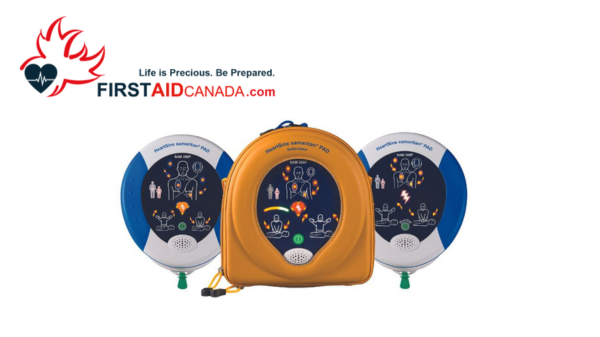
At First Aid Canada, we provide a wide selection of Health Canada-approved AEDs ideal for rugged environments, including construction sites. Models like the HeartSine Samaritan 360P and 500P are built for durability, ease of use, and quick deployment—making them essential safety tools for any crew.

Training That Empowers Workers to Act Fast

Having an AED on-site is only part of the equation. Workers must also be trained in how to recognize emergencies and respond effectively. First Aid Canada offers certified CPR and First Aid training, tailored for industrial and construction settings. Our training includes practical instruction on how to use an AED, ensuring that team members can act quickly and confidently during critical moments.

Be Proactive: Equip Your Site with AEDs and Training

Ontario’s new safety measures are a step in the right direction—but true workplace safety goes beyond compliance. Equipping your team with AEDs and providing hands-on training empowers them to save lives and builds a culture of preparedness.

At First Aid Canada, we’re proud to support construction companies across the country with reliable AEDs and expert-led training programs that meet provincial regulations. Whether you’re outfitting a single job site or managing multiple crews, we’re here to help you stay ready for the unexpected.

Make your construction site safer—shop AEDs and book training at FirstAidCanada.com.

Posted on

Spring Into Action: Embrace the Season While Protecting Your Heart

As the chill of winter fades and the world bursts into bloom, spring feels like a breath of fresh air. The longer days and warmer weather are a natural invitation to get outside, move more, and embrace a healthier, more active lifestyle. But before you dive headfirst into hiking trails, yard work, or outdoor workouts, it’s important to take a step back and think about your heart.

Why Spring Activity Needs Caution

After months of limited movement during the colder seasons, many of us are eager to jump into action as soon as spring arrives. However, sudden increases in physical activity—especially after a sedentary winter—can put added strain on the cardiovascular system. This is especially true for older adults and individuals with underlying conditions such as high blood pressure, high cholesterol, or a history of heart disease.

While regular movement is essential for heart health, overdoing it too quickly can increase the risk of heart attack or stroke. The key? Ease into activity with awareness and care.

3 Heart-Smart Tips for Springtime Movement

To make the most of the season while keeping your heart safe, follow these simple guidelines:

????‍♂️ Ease Into Activity

Start slowly and give your body time to adjust. Begin with light exercises like walking, stretching, or gentle yoga. Gradually increase intensity over days or weeks rather than all at once. Your heart, muscles, and joints will thank you.

???? Stay Hydrated and Time It Right

As temperatures rise, so does your risk of dehydration. Drink plenty of water throughout the day, and avoid strenuous outdoor activity during the hottest parts of the afternoon. Early mornings or evenings are ideal times to move without overheating.

❤️ Listen to Your Body

Pay attention to any warning signs your body might be giving you. Chest pain, dizziness, shortness of breath, or unusual fatigue aren’t symptoms to push through—they’re signals to stop and seek medical attention. Don’t ignore them.

Keep Kids Safe During Summer Sports

Spring also signals the start of warm-weather sports and outdoor play. Summer sports like baseball, soccer, and biking are a great way for kids to stay active and have fun—but safety should always come first. From scraped knees to heat exhaustion, having the right first aid supplies on hand ensures you’re ready for the unexpected.

Already have a kit? Great! This is the perfect time to restock essentials like:

  • Bandages and gauze

  • Cold packs for sprains and bumps

  • Electrolyte and glucose solutions to stay hydrated and stable in the heat

Making safety part of your playbook keeps your little athletes on the field and having fun all season long.

Be Prepared — On and Off the Field

In the spirit of getting outdoors and being active, we want to help you and your team stay safe and ready for any emergency—especially during those nail-biting games. That’s why we’re offering 10% off all athletic and sports emergency kits through May 31st.

Use code SPRING10 at checkout to save and ensure you’re equipped to handle unexpected moments with confidence.

A Season of Renewal—for You and Your Heart

Spring is a time of renewal—let it also be a time to recommit to heart-smart habits and overall well-being. With a little mindfulness and preparation, you can enjoy everything the season has to offer—safely, actively, and with peace of mind.

Posted on

#NationalHeartMonth: How CPR and AEDs Can Help Save Lives in Ontario

February is #NationalHeartMonth, a time to focus on heart health and raise awareness about the importance of quick action in emergencies. In Ontario, heart disease, stroke, and cardiac arrest are significant health challenges. However, there are simple yet effective ways that ordinary people can help make a life-saving difference.

Cardiac Arrest in Ontario: The Need for Swift Action

Each year, more than 8,000 Ontarians suffer from out-of-hospital cardiac arrest. These life-threatening emergencies happen suddenly, and survival chances decrease dramatically—by as much as 7-10% per minute—without immediate intervention. This is where knowing what to do in the first few moments can be crucial.

Why CPR and AEDs Matter

When someone’s heart stops, every second counts. Performing CPR helps circulate oxygenated blood to vital organs, buying time until help arrives. However, CPR alone may not be enough. That’s where AEDs come in. These devices analyze the heart’s rhythm and, if necessary, deliver a shock to restore a normal heartbeat. Simple to use and widely available, AEDs are designed to be user-friendly for anyone, not just medical professionals.

Taking Action: How You Can Help

  1. Learn CPR: CPR training is accessible and can equip you with the knowledge to act confidently during a cardiac emergency. While many people in Ontario may feel unsure in these situations, being trained in CPR increases survival rates and allows you to help while emergency services are on their way.

  2. Familiarize Yourself with AEDs: AEDs are increasingly found in public spaces such as gyms, schools, and airports. They’re designed to be intuitive, with clear step-by-step instructions for use. Knowing how to operate one, even without prior experience, could make the difference between life and death.

  3. Encourage Awareness in Your Community: Public awareness about the importance of CPR and AEDs is still growing. Spreading the message in your workplace, local community groups, or family can ensure that more people are prepared to help in critical moments.

The Impact of Early Intervention

When it comes to cardiac emergencies, time is of the essence. In Ontario, where over 8,000 cardiac arrests occur each year, a quick response is essential. Research shows that performing CPR and using an AED within the first few minutes can dramatically improve survival rates. Even though many public spaces are equipped with AEDs, too few people are familiar with their use or confident in performing CPR.

This #NationalHeartMonth, take a moment to reflect on the role you could play in improving heart health outcomes. CPR and AED training are simple but powerful tools that can make all the difference when it counts the most.

Conclusion

This #NationalHeartMonth, let’s think beyond our own heart health and consider how we can be part of the solution when it comes to emergencies. By learning CPR and understanding how to use AEDs, you can contribute to saving lives in your community. In Ontario, where thousands of cardiac arrests occur annually, the ability to respond quickly can change the outcome. It’s a small step that can have a huge impact.

Equip yourself with the knowledge to act. It could save a life.


Learn More:

Posted on

Essential Safety Tips: What to Do When a Fire Breaks Out in Your Home

As wildfires continue to ravage California, the relentless flames are not only consuming thousands of acres of land but also leaving a lasting impact on communities, wildlife, and the environment—underscoring the urgent need for action in the face of a growing crisis. While safety is your top priority, we also understand that during a fire, there’s a natural instinct to gather personal items and cherished belongings—things that carry sentimental value. But in the rush of those crucial moments, how can you stay calm and make the best decisions? This guide offers insight into how to protect yourself, your family, and your memories when a fire strikes.

1. Get Out, Stay Out

First and foremost, your life and the lives of your loved ones are what matter most. If a fire breaks out in your home, evacuate immediately—do not hesitate. Never risk your safety to save possessions. Fires are unpredictable, and every second counts. Once you’re outside and at a safe distance, call 911 and wait for help to arrive.

2. Gather Only What You Can Safely Carry

It’s easy to feel the urge to gather important documents, family photos, or treasured keepsakes, especially if they hold emotional value. However, time is precious when every second counts. If you have just moments before evacuation, prioritize grabbing:

  • Your wallet, ID, and insurance information
  • Prescriptions or necessary medications
  • Cell phone and charger
  • Pet supplies (if you have pets)
  • Small, irreplaceable items (like family photos, heirlooms, or keepsakes)—but only if you can grab them quickly and safely

While it’s heartbreaking to leave behind personal items, your life is irreplaceable. If you have time and the fire isn’t spreading rapidly, try to gather what you can. But never put yourself in harm’s way trying to save physical possessions. Everything else can be replaced.

3. First Aid Kit Essentials

During the chaos of a fire, it’s easy to forget about the importance of medical care—whether for burns, smoke inhalation, or minor injuries. A well-stocked first aid kit can make a life-saving difference. Ensure your kit includes:

  • Burn cream or gel for minor burns
  • Sterile gauze and bandages for cuts or abrasions
  • Adhesive tape and antiseptic wipes
  • Pain relievers (like ibuprofen or acetaminophen)
  • Tweezers for removing debris

In addition to these basics, consider including burn dressings and a fire blanket for more serious injuries.

4. AED (Automated External Defibrillator) for Cardiac Arrest

In the intense moments following a fire, the shock of an emergency can cause cardiac arrest. Having an AED in your home gives you the ability to potentially save someone’s life in those critical moments. If someone experiences severe smoke inhalation or trauma, it could lead to arrhythmias or heart failure. Knowing how to use an AED, especially in the event of an emergency, can help restore heart rhythm until medical professionals arrive.

5. Smoke Inhalation and Respiratory Care

Smoke inhalation can cause serious health issues, ranging from coughing to life-threatening respiratory failure. If you or anyone in your household is exposed to smoke, get to fresh air immediately. Use your first aid kit to help with breathing, and be prepared to assist with basic airway management if needed. If the person’s condition worsens, call 911 and request emergency medical help.

6. Stay Calm, Stay Prepared

Preparation is the key to reducing panic and increasing your chances of staying safe. Ensure your home is equipped with:

  • Working smoke detectors
  • Fire extinguishers in key locations
  • A fire escape plan that every family member knows
  • An easily accessible first aid kit, fire blanket, and AED

Every item in your emergency kit and safety plan plays a role in protecting lives, and remembering what to do in those moments of crisis can help you stay focused. Even if you have time to gather personal items, don’t lose sight of your safety.

Cherish What You Can, but Always Choose Life

In the face of a fire, it’s natural to want to protect your cherished memories. While it’s understandable to want to grab keepsakes, documents, or valuables, remember: your life and the lives of your loved ones are irreplaceable. Prioritize safety, evacuate immediately, and leave possessions behind if necessary. And with the right first aid supplies, AEDs, and fire safety tools, you can take swift action to care for yourself and those around you in the aftermath.

When disaster strikes, your home may be damaged or destroyed, but your family’s safety and the memories you’ve made together are what truly matter. Be prepared, stay calm, and remember: safety first.

Stay safe, and take care of those you love.

Posted on

Ontario’s New AED Registry: A Lifesaving Step for Cardiac Emergency Response


The Ontario government’s recent announcement to launch the province’s first Automated External Defibrillator (AED) registry is being widely applauded by health advocates and organizations alike. Heart & Stroke, a key champion of heart health in the province, has hailed this initiative as a monumental step toward creating safer communities and improving emergency response times for cardiac events.

For the first time, Ontarians will now be able to easily locate lifesaving AEDs in their communities when every second counts during a cardiac emergency. This new registry, led by the AED Foundation of Ontario, will provide a centralized platform for residents, first responders, and emergency medical services (EMS) to access and deploy defibrillators quickly and efficiently.

Why is an AED Registry So Important?

Automated External Defibrillators are portable devices that can restart the heart during sudden cardiac arrest (SCA) by delivering a shock. With a survival rate of up to 75% when administered within minutes of a cardiac arrest, access to AEDs is critical. However, finding an AED in the crucial moments after a person collapses can be a daunting task without a clear system in place.

The new registry addresses this challenge by mapping out AED locations across Ontario, making it easier for anyone—including bystanders and EMS personnel—to pinpoint a nearby defibrillator when needed. With AEDs placed in public spaces, workplaces, sports facilities, and community centres, this registry aims to bridge the gap between cardiac emergencies and the crucial intervention that AEDs provide.

A Leader in Heart Health Innovation

Ontario is now joining the ranks of only a few provinces that have established such a registry, positioning itself as a leader in developing comprehensive heart health systems. Heart & Stroke commended the Ontario government for its forward-thinking approach, recognizing that this move is a critical component of building “heart-safe” communities.

“By ensuring more timely access to AEDs, Ontario is leading the charge toward saving lives in the critical minutes following a cardiac arrest,” said a spokesperson from Heart & Stroke. “This initiative represents a significant step in creating a coordinated and comprehensive heart health system that will undoubtedly save lives across the province.”

How the AED Registry Works

The registry will be accessible to everyone and will include a user-friendly digital platform that provides real-time information on the locations of AEDs. The goal is to ensure that no one ever has to waste precious minutes trying to locate an AED during an emergency. By registering the devices publicly, businesses and organizations can contribute to creating a network of accessible life-saving equipment throughout the province.

In addition to providing a centralized map of AED locations, the registry will also allow businesses and individuals to register new AEDs that they own, ensuring that the database remains current and comprehensive. For those interested in learning more about how to register an AED or how to access the registry during a cardiac event, the AED Foundation of Ontario will offer detailed instructions and support.

A Proactive Step Toward Saving Lives

This new registry is a proactive measure aimed at reducing fatalities caused by sudden cardiac arrest, a leading cause of death in Canada. With over 40,000 cardiac arrests occurring outside of a hospital setting each year, ensuring faster access to AEDs can make the difference between life and death.

By creating this registry, the Ontario government is addressing an urgent health need and demonstrating a strong commitment to public safety. The hope is that other provinces will follow Ontario’s lead and implement similar systems to ensure that more Canadians have access to the life-saving benefits of AEDs.

Moving Forward

The launch of Ontario’s AED registry is a groundbreaking development in the province’s approach to heart health. It is a positive step forward that not only improves access to emergency life-saving tools but also encourages community involvement in safeguarding public health.

As more Ontarians become aware of the registry and the locations of these vital devices, the potential to save lives increases significantly. Heart & Stroke, along with other health organizations, encourages every Ontarian to support and participate in this life-saving initiative by registering AEDs and familiarizing themselves with the registry.

Together, we can create a heart-safe province where quick action, better access to lifesaving tools, and stronger community engagement lead to more lives saved in the face of cardiac emergencies.

For more information about the life-saving benefits of AEDs or the Ontario AED registry, contact our team directly at sales@firstaidcanada.com.

Posted on

Surviving the Heat: Understanding the Risks to Your Heart

As the summer sun beats down relentlessly, it’s crucial to be aware of the dangers posed by extreme heat, especially if you have underlying heart conditions. Heatwaves not only test our endurance but also place significant stress on our cardiovascular systems, increasing the risk of heart attacks, cardiac arrest, and strokes. Understanding these risks and taking proactive steps before an adventure, such as investing in an AED and learning CPR/First Aid Training, can make all the difference in staying safe this summer.

Heart Conditions and Heat: A Dangerous Combination

Extreme heat affects everyone, but those with heart conditions are particularly vulnerable. Here’s why:

1. Increased Heart Rate and Blood Pressure: High temperatures cause our bodies to work harder to maintain a normal temperature. This can lead to an increase in heart rate and blood pressure, placing added stress on the heart.

2. Dehydration: Sweating excessively in hot weather can quickly lead to dehydration, which reduces blood volume and makes the heart work even harder to pump blood through the body.

3. Electrolyte Imbalance: Sweating also depletes essential electrolytes like potassium and sodium, which are crucial for maintaining heart function.

4. Vasodilation: Heat can cause blood vessels to dilate, which may lead to a drop in blood pressure and a strain on the heart to compensate.

Understanding the Risks

Heart Attack: Heat increases the likelihood of a heart attack due to the added stress on the cardiovascular system and the strain placed on the heart.

Cardiac Arrest: The combination of dehydration, electrolyte imbalances, and increased workload on the heart can trigger a sudden cardiac arrest, particularly in individuals with existing heart conditions.

Stroke: Heat can also lead to dehydration, which is a significant risk factor for stroke. Dehydrated blood is thicker and more likely to form clots, which can block blood flow to the brain.

Owning an AED is invaluable for cardiac arrest, heart attack, and stroke as it allows for rapid defibrillation to restore normal heart rhythms, provides clear CPR instructions for effective chest compressions, and bridges the critical gap between an emergency occurring and professional medical help arriving, significantly improving survival rates and reducing potential long-term complications. 

Precautionary Steps to Avoid Overheating

Stay Hydrated: Drink plenty of fluids throughout the day, even if you don’t feel thirsty. Avoid excessive alcohol and caffeine, which can contribute to dehydration.

Stay Cool: Spend time in air-conditioned spaces during the hottest parts of the day. If you don’t have air conditioning at home, consider investing in a handheld fan to keep on you at all times, or visiting public places with cooler air, like a nearby coffee shop or shopping mall.

Dress Appropriately: Wear lightweight, loose-fitting clothing in light colours to reflect heat and sunlight.

Limit Physical Activity: Avoid strenuous activities during peak hours (usually midday to late afternoon). If you must exercise, try to keep it indoors or do so in the early morning or evening when it’s cooler outside.

Know the Signs: Be aware of symptoms of heat-related illness, such as excessive sweating, dizziness, nausea, and rapid pulse. Seek medical attention if you or someone else shows signs of heat exhaustion or heat stroke.

As temperatures soar, it’s crucial to prioritize your heart health and take precautions against extreme heat. Whether you have a pre-existing heart condition or not, understanding the risks and being prepared with knowledge of CPR and First Aid Training, and tools like an AED, can make all the difference in staying safe and enjoying a healthy summer.

Stay cool, stay hydrated, and stay informed—your heart will thank you for it.

Posted on

Elevate Branding With Custom Logo First Aid Kits

In today’s competitive market, every opportunity to promote your brand matters. What if we told you that you could turn a necessity into a branding opportunity? Introducing custom-branded first aid kits adorned with your company logo—a powerful way to showcase your commitment to safety while gaining valuable exposure. In this blog post, we’ll explore the benefits of incorporating custom logo first aid kits into your corporate strategy, offering not only essential care but also a visible statement of your brand’s dedication to well-being and preparedness.

1. Elevate Your Brand Presence:

In a sea of generic first aid kits, a custom-branded option stands out as a unique and memorable choice. By imprinting your company logo on each kit, you’re not only providing essential care but also reinforcing your brand identity. Whether it’s in the office, at events, or as part of corporate gifts, these branded kits serve as constant reminders of your company’s values and commitment to safety.

2. Free Advertising and Extra Branding:

Imagine your logo prominently displayed on first aid kits carried by employees, distributed at trade shows, or kept in customers’ homes. Each time your branded kit is used, it becomes a mini-billboard for your company, offering free advertising and reinforcing brand recognition. It’s an effective way to increase visibility and leave a lasting impression on clients, partners, and prospects.

3. Tailored to Your Needs:

Choose from a variety of kit types including the Home & Office kit, Family Redi Rescue kit, and Essential Auto Safety kit. Each kit is unique with contents to suit specific category requirements. 

4. Employee Safety and Morale:

Investing in custom-branded first aid kits as opposed to traditional company swag items demonstrates your company’s commitment to employee well-being. Providing easy access to essential medical supplies not only promotes a safe work environment but also boosts employee morale and confidence. Knowing that their employer prioritizes safety fosters a sense of trust and loyalty among staff members, enhancing overall job satisfaction and productivity.

5. Corporate Responsibility and Preparedness:

Incorporating custom logo first aid kits into your corporate strategy underscores your commitment to corporate social responsibility and preparedness. By proactively equipping employees, customers, and stakeholders with the tools they need to respond to emergencies, you’re demonstrating leadership in safety and resilience. It’s an investment in both your company’s reputation and the well-being of those you serve.


In a world where safety and branding go hand in hand, custom-branded first aid kits offer a compelling solution. Not only do they provide essential care in times of need, but they also serve as powerful ambassadors for your brand, delivering free advertising and reinforcing your commitment to safety and preparedness. Whether you’re looking to enhance employee safety, boost brand visibility, or differentiate your corporate gifts, custom-branded first aid kits are a smart choice for any organization. Embrace the opportunity to elevate your brand presence while promoting safety and well-being—one branded kit at a time.

Posted on

Safety Tips for Outdoor Adventures

Are you gearing up for your next outdoor adventure?

Whether you’re planning a serene hike through the mountains or a thrilling camping trip under the stars, ensuring your safety should be a top priority. From unexpected weather changes to encountering wildlife, outdoor excursions can present various challenges. But with the right preparation and equipment, you can minimize risks and maximize enjoyment. In this guide, we’ll explore essential safety tips, must-have supplies, and precautions for your outdoor adventures.

1. Plan and Prepare:

Before embarking on any outdoor excursion, take the time to research your destination thoroughly. Familiarize yourself with the terrain, weather forecasts, and any potential hazards. If venturing out alone or in a small group, create a detailed itinerary and share it with a trusted friend or family member. Additionally, ensure your physical fitness level aligns with the demands of your chosen activity.

2. Pack the Essentials:

Having the right gear can make all the difference in an emergency situation

First Aid Kit: A compact first aid kit containing bandages, antiseptic wipes, pain relievers, and other medical essentials can address minor injuries and provide temporary relief until professional help arrives.

– Navigation/Communication Tools: Carry a map to help you stay on course, especially in unfamiliar terrain or areas with limited cell reception. Pack a fully charged phones for areas with reception in case of emergency.

– Water and Food: Pack an ample supply of water and energy-rich snacks to stay hydrated and fuelled throughout your journey.

– Shelter and Clothing: Depending on the duration and nature of your adventure, bring appropriate clothing layers and shelter options to protect against inclement weather.

Bonus Gear: Packing an AED can be a life saving effort when time and resources, such as a nearby hospital, are limited. 

3. Learn CPR:

Learning CPR for camping with friends and family is essential because it equips you with life-saving skills to respond effectively to emergencies in remote locations, ensuring the safety and well-being of your loved ones amidst the unpredictability of outdoor adventures.

4. Know Your Limits:

Hike or engage in outdoor activities within your skill level and physical capabilities. Pace yourself, take breaks as needed, and listen to your body. Avoid pushing beyond your limits, especially in challenging conditions.

5. Be Weather-Wise:

Stay informed about current and forecasted weather conditions for your destination. Be prepared for sudden weather changes by dressing in layers and carrying waterproof clothing. Seek shelter immediately in the event of thunderstorms, high winds, or other severe weather. In the event of high temperatures, stay hydrated and stay in the shade to better manage your heat exposure and avoid heat stroke. In the most severe cases, heat stroke can lead to ventricular tachyarrhythmias and cardiac arrest. 

6. Go Green:

Respect the environment and minimize your impact on natural landscapes. Pack out all trash, dispose of waste properly, and avoid disturbing wildlife or vegetation.

7. Stay Aware of Wildlife:

While encountering wildlife can be an exhilarating experience, it’s essential to maintain a safe distance and respect their natural habitats. Research potential wildlife encounters in the area you’re visiting and learn how to respond appropriately.

8. Share Your Plans:

Before heading out on your adventure, inform someone reliable of your plans, including your intended route, expected return time, and emergency contact information. Check-in periodically if possible, and notify them immediately upon your return.


By following these safety tips and being prepared with the right supplies, you can enjoy your outdoor adventures with confidence and peace of mind. Remember that safety should always come first, allowing you to fully immerse yourself in the beauty and wonder of the great outdoors.


Happy exploring!

Posted on

Spring Safety Essentials

As spring unfolds and nature bursts with life, it’s time to enjoy outdoor fun like picnics and hikes. But in the spirit of Emergency Preparedness Week, let’s not overlook safety. Emergency Preparedness Week presents a vital opportunity to proactively safeguard yourself, your loved ones, and your community in times of crisis.

This year, the theme “Be Prepared. Know Your Risks.” underscores the importance of awareness and readiness. It urges Canadians to familiarize themselves with the specific risks pertinent to their regions and to equip themselves with the knowledge needed to reduce those risks effectively, ensuring the safety and well-being of their families. With the change in season and increase in activity and gatherings, accidents can happen more often. That’s why it’s crucial to be prepared with the right skills and tools. 

Why Springtime Calls for Preparedness:

1. Outdoor Risks: As we embrace the great outdoors, we expose ourselves to a variety of potential hazards, including falls, insect bites, and allergic reactions to blooming flora.

2. Changing Weather Dynamics: Spring weather is notorious for its variability, ranging from balmy sunshine to sudden downpours. These fluctuations can lead to slips and falls on wet surfaces or unexpected exposure to the elements.

3. Allergen Exposure: With the arrival of spring comes an increase in pollen levels, triggering allergies and respiratory issues for many individuals. Proper preparedness is crucial for managing allergic reactions effectively.

The Importance of Training:

1. Immediate Response: CPR and first aid training provide invaluable skills for responding to medical emergencies promptly. Whether it’s administering CPR to someone in cardiac arrest or applying first aid to a wound, every second counts in saving lives.

2. Confidence and Community Safety: By equipping individuals with the knowledge and confidence to act swiftly in emergencies, CPR and first aid training contribute to the overall safety of communities. A well-prepared populace can make a significant difference in the outcome of critical situations.

Essential Supplies for Spring Adventures:

1. Comprehensive First Aid Kits: A well-stocked first aid kit is a cornerstone of safety preparedness, containing essential items such as bandages, antiseptics, medications, and emergency supplies like CPR masks and blankets.

2. Automated External Defibrillators (AEDs): These portable devices play a crucial role in restoring normal heart rhythm during sudden cardiac arrest. Having access to an AED can greatly increase the chances of survival in such life-threatening situations.

Conclusion:

As we embrace the beauty and vibrancy of Spring, let’s not overlook the importance of safety preparedness. By investing in CPR and first aid training, maintaining well-equipped first aid kits, and ensuring access to AEDs, we can enjoy all that the season has to offer with peace of mind. Whether it’s a leisurely stroll in the park or a challenging hike in the mountains, being prepared for the unexpected ensures that our springtime adventures are not only enjoyable but safe for everyone involved. 

Posted on

The Importance of CPR Training

Creating a safe and secure workplace goes beyond complying with regulations; it involves empowering employees with the skills and knowledge needed to respond effectively in emergencies. One skill that stands out as paramount is Cardio-Pulmonary Resuscitation (CPR). In this blog post, we’ll delve into the critical importance of CPR training in the workplace and why it should be a cornerstone of every organization’s commitment to employee well-being.

1. Immediate Response to Emergencies

Accidents and medical emergencies can happen at any time in the workplace. From sudden cardiac arrests to choking incidents, the ability to provide immediate assistance is crucial. CPR training equips employees with the skills to respond promptly, bridging the gap until professional medical help arrives.

2. Increased Survival Rates

Studies consistently show that immediate CPR significantly increases the chances of survival during cardiac emergencies. In the workplace, where quick access to professional medical care may be limited, trained employees can be the first line of defense, dramatically improving outcomes for their colleagues in distress.

3. Confidence and Preparedness

CPR training instills confidence in employees, empowering them to take decisive action in the face of an emergency. Knowing what to do in critical situations reduces panic and ensures a more organized response, contributing to a safer and more secure work environment.

4. Comprehensive Workplace Safety

CPR training complements other safety measures in the workplace, creating a comprehensive safety net for employees. Whether dealing with accidents, injuries, or sudden health crises, a workforce trained in CPR adds an extra layer of protection and preparedness.

5. Legal Compliance and Corporate Responsibility

Many workplaces are legally required to have employees trained in basic first aid and CPR. Beyond meeting regulatory standards, investing in CPR training demonstrates a commitment to corporate responsibility. It sends a clear message that the organization values the well-being of its employees and is proactive in ensuring their safety.

6. Team Building and Employee Morale

CPR training sessions provide an opportunity for team building and camaraderie. Through shared learning experiences, employees develop a sense of responsibility towards one another. This not only enhances workplace morale but fosters a supportive and cohesive work culture.

In the ever-changing landscape of the workplace, being prepared for emergencies is not just an option; it’s a necessity. Cardio-Pulmonary Resuscitation (CPR) training is a fundamental aspect of creating a safe and secure work environment. By providing employees with the skills to respond effectively in critical situations, organizations not only comply with regulations but also invest in the well-being of their most valuable asset – their workforce. Explore our available on-site courses here and contact us for further information on course types and pricing.