

Posted on

Why First Aid Training in Canada Just Makes Sense

Let’s be honest—no one wants to have to use first aid. But between hockey mishaps, backyard BBQ accidents, wild weather, and just plain old bad luck, life has a way of keeping us on our toes. And when the unexpected hits, there’s nothing better than being able to step in with confidence. That’s where first aid training in Canada comes in.

You don’t need to be a paramedic to make a difference. Knowing how to handle bumps, bruises, burns—or even more serious issues like choking or cardiac arrest—can help you be the calm in the chaos. Whether you’re helping a stranger on the street or patching up your own kid after a playground tumble, these are skills that matter.

Emergency First Aid: It’s Not Just for Emergencies

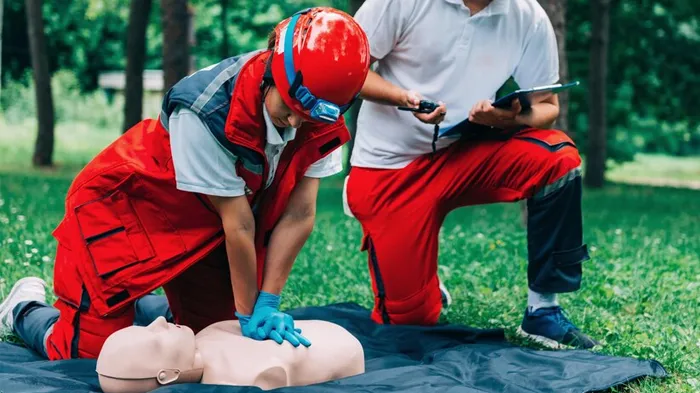
Okay, we know it sounds intense—emergency first aid. But don’t let the name scare you. It’s not all flashing lights and high-stakes drama (though it can be). It’s about knowing what to do when things go sideways, big or small. You’ll learn how to check for injuries, handle bleeding, assess situations safely, and yes—maybe even save a life.

Whether you’re at work, at the cottage, or on a weekend road trip, being prepared gives you peace of mind. And the best part? Training doesn’t take forever. You can knock it out in a day or two and come away with the knowledge to make a real difference in a tough moment.

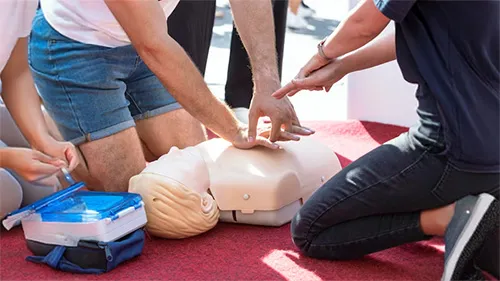
Here’s the thing: first aid and CPR go hand in hand. First aid helps you deal with wounds, sprains, allergic reactions, and more. CPR (cardiopulmonary resuscitation, for those who like big words) steps in when someone’s heart or breathing has stopped.

Together, they’re a powerhouse of emergency response. And with the right training, you can be the one to step up and take action instead of standing by and hoping someone else knows what to do.

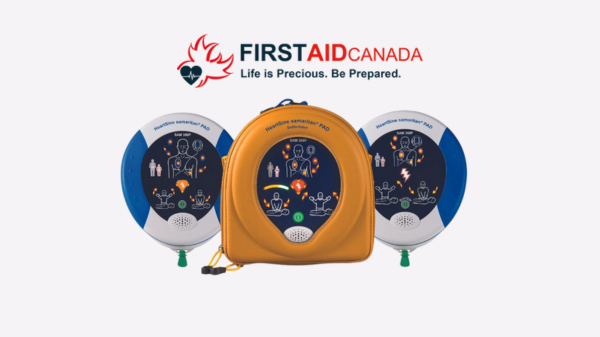
At First Aid Canada, we make it easy to be prepared. Whether you’ve just completed your first aid training in Canada or you’re looking to gear up before your course, we’ve got everything you need. From full-sized emergency kits for your workplace to compact options for your backpack or glove box, our products are trusted across the country.

Emergencies don’t send you a calendar invite. One day everything’s fine, and the next—boom—someone needs help. The good news is, you don’t have to be a superhero to be prepared. A little training, the right tools, and a clear head can go a long way.

So, if you’ve been thinking about brushing up on your first aid and CPR knowledge, or you’re in the market for solid, reliable gear, we’re here for you.
Posted on

Supporting Canadians with Trusted First Aid Supplies

There’s something special about Canadian companies supporting Canadian communities. At First Aid Canada, we’re proud to be 100% Canadian-owned and operated, offering high-quality first aid supplies that meet the specific needs of workplaces and families from coast to coast.

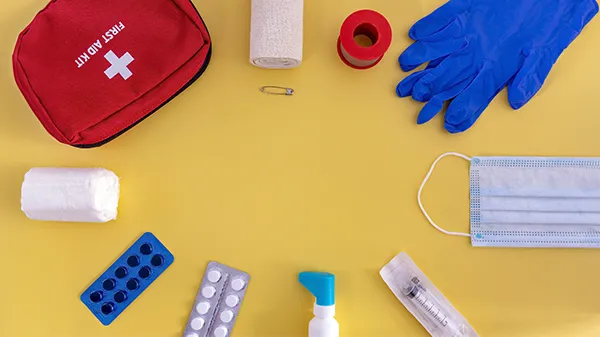
Our team understands the value of reliable, compliant products—because we live and work here too! That’s why we offer a wide range of trusted solutions, including our popular CSA First Aid Kit and CSA Z1220-17 First Aid Kit. Both options are designed to meet Canadian safety standards, making it simple for businesses and organizations to stay compliant and prepared.

Whether you run a construction site, manage an office, or organize community events, having the right first aid supplies on hand isn’t just a checkbox—it’s part of taking care of the people around you. Our CSA First Aid Kit is a practical choice for a variety of work environments, offering essential items that make it easy to respond to minor injuries. For workplaces looking for full compliance with the latest guidelines, our CSA Z1220-17 First Aid Kit is the ideal option, providing comprehensive coverage that meets current regulations.

At First Aid Canada, we’re more than a supplier—we’re your partner in safety. Our knowledgeable team is here to help you choose the right products and ensure you’re meeting the standards required in your industry. Plus, when you shop with us, you’re supporting a Canadian company that’s dedicated to delivering quality, service, and peace of mind.

Ready to stock up on first aid supplies you can trust? Explore our selection at First Aid Canada, where Canadian safety always comes first.

Posted on

Your Go-To for First Aid Supplies and Safety Solutions

When it comes to safety, Canadians know the importance of being prepared. Whether it’s at work, at school, or at home, having reliable first aid supplies on hand can make all the difference in an emergency. That’s why we’re proud to be a 100% Canadian-owned and operated company, dedicated to providing top-quality Canadian safety supplies to communities across the country.

As a Canadian business, we understand the unique needs of our customers. From harsh winters to busy job sites, we know what it takes to keep Canadians safe year-round. Our wide range of first aid supplies are carefully selected to meet national health and safety standards, ensuring you have exactly what you need when it matters most.

But we don’t just stop at providing supplies. We also offer first aid training in Canada to help individuals and teams feel confident in handling emergencies. Whether you’re looking to meet workplace compliance, refresh your skills, or learn for the first time, our training programs are designed with Canadians in mind.

When you choose us for your Canadian safety supplies, you’re not only getting high-quality products—you’re also supporting a local business that’s committed to putting Canadians first. We’re proud to offer reliable service, fast shipping, and knowledgeable customer support.

Thank you for trusting us to be part of your safety journey. Whether you need first aid kits, refills, or first aid training in Canada, we’re here to help you stay safe and prepared—every step of the way.

Posted on

Be Ready for Anything: The Value of Workplace First Aid Training

Emergencies don’t wait for the right moment—they can happen at any time. Whether it’s a minor injury or a serious medical situation, having employees trained in Workplace First Aid Training ensures a quick and effective response. A well-prepared team can make all the difference in protecting lives and preventing further harm.

Workplace safety is about more than just following regulations; it’s about giving your employees the confidence and skills to handle emergencies. Investing in On Site CPR and First Aid Training means your team receives hands-on instruction tailored to your specific work environment. Employees learn how to react in real-world situations, from administering CPR to treating wounds and other injuries.

One of the biggest advantages of On Site CPR and First Aid Training is that your team doesn’t have to travel to a training center. Instead, certified instructors come to your workplace, saving time and ensuring training is relevant to your industry. This approach makes it easier to schedule sessions and provides a familiar environment for employees to practice life-saving techniques.

How Emergency First Aid Training Makes a Difference

When an emergency strikes, immediate action is crucial. Emergency First Aid training equips employees with the knowledge to respond effectively, whether it’s handling a choking incident, performing CPR, or stabilizing an injury until professional help arrives. The more employees trained in first aid, the safer your workplace becomes. And a safe workplace is a productive workplace. By investing in Workplace First Aid Training, you’re taking a proactive step toward protecting your employees and customers and creating a culture of safety. Whether you choose On Site CPR and First Aid Training or a specialized Emergency First Aid courses, ensuring your team is prepared is always a smart decision.

Contact us today to book your training session and empower your team with essential life-saving skills!

Posted on

The Importance of Corporate First Aid Training: Keep Your Workplace Prepared

Emergencies can happen anywhere, anytime. Whether it’s a minor workplace injury or a serious medical emergency, having a team that knows how to respond can make all the difference. That’s why investing in On Site First Aid Training is one of the best decisions a company can make. It ensures employees are prepared, confident, and capable of handling emergencies effectively.

Workplace safety is a top priority for any business. First aid training not only helps employees respond to emergencies but also fosters a culture of safety and responsibility. When employees know what to do in a medical situation, they can prevent minor injuries from becoming major problems and even save lives. By offering On Site First Aid and CPR Training, businesses First Aid Canada’s private First Aid Training offers a more focused, comfortable, and hands-on learning experience. Unlike public training sessions that mix participants from different companies, private sessions are exclusively for your team. This means:

  • A more personalized training experience tailored to your industry and workplace risks.
  • A comfortable learning environment where employees can ask questions freely.
  • More hands-on practice time, ensuring everyone gets the attention they need to feel confident in their skills.

Be Prepared—Book Your Training Today! 

Don’t wait until an emergency happens to realize the importance of first aid training. Investing in On Site First Aid and CPR Training to ensure your team is ready to respond when it matters most. Book your first aid training course today, and help make your workplace safer, more prepared, and better equipped to handle emergencies.

Contact us to learn more about our Private First Aid Training options and schedule a session for your team!

Posted on

Empower Yourself with First Aid Training: Be Prepared for Emergencies

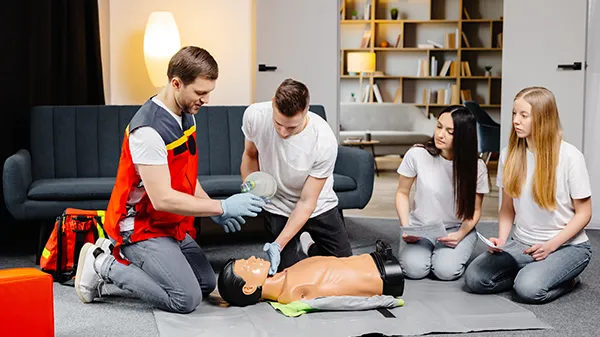
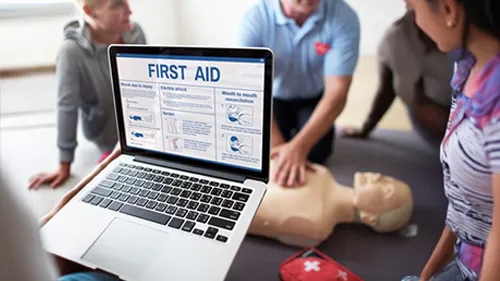
When emergencies happen, knowing how to respond quickly and efficiently can save lives. At First Aid Canada, our first aid training courses equip you with the skills and confidence to act quickly during life-threatening situations. Whether at home, work, or out in public, being trained in CPR and 1st aid prepares you to handle everything from minor injuries to serious emergencies like cardiac arrest or choking.

Our emergency first aid course covers all the necessary skills such as:

  • Basic first aid techniques for wounds, bleeding, and burns

  • Performing CPR on infants, children, and adults

  • Using an Automated External Defibrillator (AED)

  • Responding to medical emergencies such as heart attacks and strokes

With a combination of hands-on practice and expert instruction, our emergency first aid course ensures you’ll be prepared with the techniques that will allow you to react swiftly and confidently in emergency situations. Whether you need certification for work or personal preparedness, we offer flexible class options, including online and in-person courses.

Certification in CPR 1st aid is becoming increasingly important in the workplace and schools, fostering a safer, more prepared community. By completing one of our first aid training courses, you’ll be equipped to make a difference when it matters most.

Enroll today in an emergency first aid course at First Aid Canada, and be ready to save lives.

Posted on

CPR First Aid Training and Community Preparedness

Often when people think of emergencies, they picture Paramedics and Doctors stepping in to save the day, and a life. But many medical emergencies begin with the need for on hand and immediate assistance. What if you could be the one providing that vital care? Getting CPR 1st aid training not only equips you with crucial skills but also helps you become an active part of your community’s safety net.

Many organizations and workplaces now prioritize emergency training and preparedness, but it doesn’t have to just be about fulfilling a requirement. By becoming CPR and first aid certified, you’re investing in the ability to protect your family, friends, and the general public when disaster strikes.

Getting CPR and 1st aid certification isn’t just a one-time learning experience—it’s a skill that stays with you for life. Knowing how to respond to emergencies like choking, cardiac arrest, or severe injuries isn’t just about knowledge; it’s about staying calm under pressure. In a situation where minutes or even seconds can make the difference between life and death, being able to keep a level head and apply what you’ve learned is invaluable.

While professional rescuers are trained to respond to emergencies, ordinary people are more often than not, the first ones on the scene. Whether you’re at home with your kids or out shopping, emergencies can happen at any time. When you’re CPR first aid trained, you’re ready to act immediately, providing care before emergency services arrive.

In the workplace, having employees who are CPR and first aid certified is an advantage not only for regulatory reasons but also for creating a safe work environment for all employees.

When companies encourage their employees to become CPR first aid trained they are making an investment in their entire workforce’s well-being. Employees can take these life-saving skills home to their families and out into the community. This type of training extends far beyond the office walls, providing benefits that ripple through society.

Emergencies may be unavoidable, but the outcomes don’t have to be. By becoming CPR first aid trained, you’re joining a community of people who are ready to make a real difference when faced with unexpected situations. At First Aid Canada, we believe that safety begins with each of us taking responsibility for being prepared.

Sign up today to start your journey toward CPR and 1st aid certification, and empower yourself to help others when it matters most.

Posted on

Preparing for Outdoor Adventures in Canada’s All Season Climate

Canada’s breathtaking wilderness is a playground for outdoor enthusiasts, but it’s also home to unpredictable conditions that can turn a fun adventure into an emergency. Whether you’re hiking, camping, or out on the water, having a first aid certificate in Canada can be a critical part of your outdoor preparedness. Knowing how to respond to injuries or accidents can make all the difference when professional help isn’t immediately on hand. This is why CPR and first aid training courses are essential lifesaving skill for all Canadians. Whether it’s a twisted ankle on a trail, a severe allergic reaction, or even a sudden cardiac arrest, these skills can equip you to handle emergencies until further help arrives.

By completing an emergency first aid course, you’ll learn how to address common injuries such as fractures, burns, hypothermia, and shock. More importantly, you’ll gain the confidence to assess situations, provide care, and stabilize the injured person until they can reach a hospital or medical facility. Not only are these lifesaving skills a major asset in Canada’s all-season outdoor climate, but they are necessary and transferable skills for at home, in the office, or out and about in your day-to-day life.

Group leaders are often responsible for others’ safety, and emergencies can strike when least expected. Having first aid knowledge ensures that leaders are well-prepared to handle everything from minor cuts to serious accidents.

For people or companies organizing outdoor events, obtaining a first aid certificate or completing CPR and first aid training courses can help reassure participants that their safety is a priority. Not only does this give peace of mind to everyone involved, but it also ensures that leaders can step in confidently if something goes wrong.

Gaining a first aid certificate in Canada not only equips you for emergencies in urban settings but also gives you the confidence to explore the beauty of Canada, knowing that you can handle unexpected situations. Whether you’re a weekend hiker, a seasoned adventurer, or a homebody, taking an emergency first aid course is one of the most important steps in ensuring your own safety and the safety of others. A first aid certificate is more than just a credential—it’s a symbol of your ability to act quickly and effectively in the face of unexpected challenges.

Invest in your safety and the safety of those around you by becoming certified in CPR and first aid.

Posted on

Better Public Access to a Defibrillator in Ontario Can Save Lives

Maybe you’re trained in first aid in CPR and know what to do in an emergency. Perhaps you have a general understanding but have not been formally trained. Either way, having access to an easy to use a defibrillator in Ontario can save lives—no matter what your medical background entails.

It’s all about location

Knowing what to do and having easy to understand instructions on a defibrillator (AED) are essential for saving lives. However, what if there are not enough defibrillators in easily accessible areas?

Thankfully, there are various organizations which have been advocating for more defibrillators to be placed around public spaces for those willing to use one in a cardiac emergency. Having AED machines easily accessible around town means there is never one too far away from a crisis situation.

Your city will undoubtedly benefit from having more defibrillators around, but these live-saving machines won’t be very helpful if it isn’t clear where they are available. Having the right signage is key, as is the exact location itself. It shouldn’t be in a locked area that is only accessible during certain periods or to certain people. Allowing the public to access AEDs is of the utmost importance.

Easy to use

Saving a life is the end goal of using a defibrillator. This can become problematic if the device is too confusing to understand, let alone complicated to find. Once the location is clear to a potential user, the machine should then aid the user every step of the way.

There are many different defibrillator options depending on the requirements of the area. All defibrillators come equipped with understandable and straightforward directions, with some aiding the user with audible directions or step by step visuals. You may also be wondering about the language that will be used on AEDs. You can choose between English or French, although with the very detailed visuals, you may not even need to hear or read much!

The directions for how to use a defibrillator are critical, as improper use could lead to an even worse medical situation for the patient and possibly the person administering help. AED machines come with different methods to ensure the user is fully aware of when to remove their hands from the patient and how to safely go through each step of the process.

The bottom line is that whether a member of the public is a medical professional or not, they should be able to use an easily accessible AED. It is important to check the location of the AED to ensure it is in a place that can be reached by anyone in need of using it. Saving lives really can be as easy as having enough defibrillators within easy reach and with clear and understandable instructions. When it’s a matter of life and death, nothing should get in the way.

Posted on

Regular Maintenance is Key for a Working Portable Defibrillator

Having a portable defibrillator on site is the first step to saving a life but it doesn’t end there. Did you know creating a routine maintenance program and adhering to that program is the only way to be sure that it is ready to use? Defibrillators are the only item that can reliably help resume normal cardiac function, so it is important that such a device works when you need it. For most office environments, most manufacturers recommend checking your device once a month, making a note of any replacements that are required during the course of the inspection and addressing any issues that may have come up during the device’s self-diagnostic processes. The inspection itself should cover a variety of areas, including checking the battery and pads. Any accessories, such as replacement or alternative pads, should be kept with the machine. Cleaning these items and running any self-diagnostic tests recommended by the manufacturer will go a long way toward keeping your defibrillator in working order and ready to use when it is needed. The last thing you want to happen during a medical emergency is experiencing a low battery. The pads and batteries should be regularly inspected to ensure that they have not expired and are replaced when necessary. Checking the AED every month will also give you an opportunity to address any issues that are indicated by the self-diagnostics, so you have time to correct the problem during a non-emergency situation.

Battery Inspection and Replacement

Batteries should have either a use by or install by date that will provide guidance on when they should be replaced. It is advised you check now and record this date a second time somewhere visible, like a desk calendar or on your office supply and restocking list. A defibrillator’s battery can last anywhere between two and four years, depending on the size, make and model. However, all battery types discharge over time, whether in use or not, so it is essential to check the battery life during each inspection. Usage, such as training with the device, will also need to be considered. Some batteries require discharge before disposal, so you should check the manufacturer’s recommendations for disposal before removing and replacing the battery.

Electrode Pad Inspection and Replacement

Electrode pads should also be inspected and should never be reused. The pads should also have an install by or use by date, and it is essential that they adhere to the skin to properly conduct the electricity needed to provide the life-saving shock that the machine was designed to deliver. Any opened or damaged pads should be disposed of following the manufacturer’s guidelines. Even the slightest bit of water can introduce a significant glitch so it is important these pads are safe and secure alongside the machine. Since portable defibrillators are often stored in public spaces, determining that the unit is intact and has not been tampered with should also be a part of each inspection. The majority of defibrillator malfunctions are preventable with routine maintenance. Creating and maintaining a maintenance schedule are the key to your portable defibrillator being the useful and lifesaving tool it is meant to be.

Posted on

How and Why an AED Can Save Lives in Ontario

What is an Automated External Defibrillator?

If you haven’t heard by now, an AED is a medical device that is designed to restore a normal heartbeat to a distressed individual by sending a corrective electric pulse to their heart. It may be used to stop or correct an arrhythmia, which is a heartbeat that is irregular, too slow, or too fast. Though it may seem intimidating at first, these devices have been tailored for public use and require minimal training. Many health and safety-conscious companies are placing defibrillators in their workspaces, so read on and learn how to use an AED in Ontario and across Canada.

It Starts With Rhythm: AEDs Check the Beat First

The human heart is supposed to work at a regular pace, pumping blood at a steady rhythm and not deviating too much from its average speed. There are certain situations, however, that may trigger arrhythmia or irregular/uneven heartbeat. Medical technology has advanced to the point where an AED is capable of checking an individual’s pulse for its rhythm to determine whether that rhythm is normal or not. In other words, an individual does not have to be a trained medical professional to opt confidently for the AED. This machine is designed to correct the discrepancy and restore normal, healthy heart function when needed.

Sometimes the Rhythm Stops: How to Handle

Sudden Cardiac Arrest sounds severe and scary, and it should. But using an AED should not. Cardiac arrest strikes when a person’s heart suddenly stops beating unexpectedly. If left untreated, sudden cardiac arrest causes death within minutes. This is why public health initiatives to place AEDs in Ontario and across Canada are so vital; with a healthy spread and selection of defibrillators placed strategically in work and public places throughout the country, sudden cardiac arrest and arrhythmia will become much less deadly and far more treatable.

Pay Attention: The Device Tells All Its Secrets

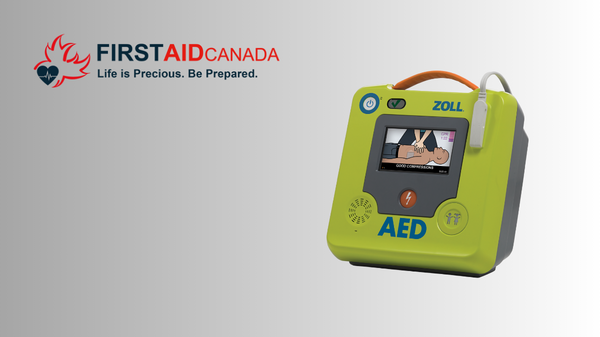
Fortunately, AEDs are portable. Every AED is outfitted with electrodes, or sticky pads with sensors, and a computer. All a bystander needs to do is attach the electrodes to the chest as shown explicitly on the pads and let the machine do its work. The electrodes sense the heartbeat of the afflicted party and will send information to the computer, that will determine what kind of electric shocks the person needs to get their heart working. If the computer determines that shocks are necessary, it sends them through the electrodes. Each AED has a detailed picture guide to ensure correct placement, written instructions as well as vocalized instructions to talk bystanders through these simple steps. Various languages are available as well so prepare your space accordingly.

With AEDs all over the country and an AED close to at-risk individuals, deaths from cardiac arrest will decrease dramatically. Everyone will be able to handle these medical emergencies thanks to this convenient medical technology.

Posted on

Cottage Season: Know Before You Go

Cottage Season: Know Before You Go

Spring has arrived and cottage season is officially in full swing. If you are one of the lucky ones and have a slice of paradise detached from the hustle and bustle of the city, it is likely you are starting to plan and prepare your upcoming adventure. It is no question, visiting a cottage requires a little bit of thought because realistically a remote location isn’t exactly ideal for last minute supplies and resources. Forgot your phone charger? Chances are the nearest store isn’t a brisk walk away. Surrounded by water, conservation and greenery, wildlife and sunshine, the isolation can often come with a handful of complications. It is essential you and your family hit the road for cottage country well prepared. There is nothing we love more than going off the grid. Limited distractions, stress and chaos offering an endless supply of vitamin D and outdoor entertainment. But what happens when an unexpected medical emergency breaks out? What are the chances your cottage is fully equipped to handle a crisis? Every minute counts and unfortunately, first responders may need quite a few of those minutes to reach you. Before we list our must-have cottage basics, one of the most critical supplies every single cottage MUST have is an Automated External Defibrillator (AED). An AED is used to help those experiencing sudden cardiac arrest and can help restore a healthy rhythm. This portable machinery is an essential piece when going off the grid because travel time and limited resources can jeopardize life-saving potential. Discover the life-saving benefits of an AED and which one might be right for you. Don’t let a medical emergency negatively impact your cottage experience. Go ahead and prepare for too much sunshine, land and water activities gone wrong, unexpected burns and painful stings and any other obstacles that may occur away from home.

Top 3 Must-Have Cottage Supplies
1. Burn and Cool Jel
2. Bite and Sting Extractor Kit
3. Waterproof Boat and Marine First Aid Kit