


Hypothermia & Frostbite:
Recognizing Symptoms and Treatment
Winter in Canada is a special season. We pride ourselves on our snowy, long and ‘Canadian’ winter season. There are some reasons to be bitter (excuse the pun), but others reasons to rejoice. Skiing, snowboarding, ice skating and tobogganing are some of the most fun you can have in a winter wonderland.
But without protection from the cold temperatures in the form of a winter coat, hat, gloves and boots, our bodies would not function properly, and could be permanently damaged after extended exposure to the elements. Here we discuss some common, and potentially life threatening cold related injuries.
HYPOTHERMIA
- Hypothermia occurs when you have an abnormally low core body temperature
- Normal body temperature is around 37°C (98.6°F)
- Hypothermia is defined as a drop in body temperature below 35°C (95°F)
- When the body becomes extremely cold, all physiological systems begin to slow down – eventually to the point that threatens survival
FROSTBITE
- Frostbite occurs when a part of the body actually freezes
- Mild frostbite doesn’t leave lasting damage, but severe frostbite does cause permanent damage and may even require amputation of a body part
DID YOU KNOW?
- In some rare cases, hypothermia can save lives. There are cases where children who have fallen into freezing water were successfully revived even when there was no heartbeat. Their below-normal temperature slowed down their brain function and caused their bodies to use less oxygen
- Smokers and people with diabetes and other circulatory problems have a higher risk of developing frostbite
CAUSES
- Although mainly associated with cold weather, hypothermia can also strike when it is relatively warm, especially in damp, windy and raining conditions
- Hypothermia is also common in drowning victims due to cold water causing rapid decreases in body temperature; all lakes, streams, rivers and oceans in Canada, during any season, can be considered “cold” – cold enough to trigger hypothermia
- Not dressing appropriately for the cold weather/the activity you are doing
- Falling through ice
- Frostbite generally starts with exposed skin on the tips of the nose, ears, cheeks and fingers but it can creep into the toes, feet, hands and face as a person remains exposed to the cold
PREVENTION
- Dress appropriately for the weather/activity you are doing
- Wear a hat, gloves, warm socks, boots and a warm winter coat
- Stay safe using the “buddy system” to check on one another
- Stay dry
- Eat high energy food (eg. Nuts, dried fruit)
- Drink plenty of non-caffeinated, alcohol-free liquids
- Keep your body moving to create heat
- If you believe someone may be suffering from frostbite, be mindful for little white spots on the face (check every 10 to 15 minutes)
- Also, pay attention to how your feet (or other susceptible body parts) are feeling
- If you are unsure of the thickness of the ice, STAY OFF THE LAKE!
SIGNS AND SYMPTOMS
HYPOTHERMIA
(This list is in order from mild to severe, but a victim can experience several symptoms at once.)
- Mild:
- Shivering, feeling cold
- Loss of coordination
- Fatigue
- Slurred speech
- Stumbling, loss of muscular coordination
- Shock
- Moderate:
- Uncontrollable shivering
- Disorientation, confusion, lapses in memory, may appear intoxicated
- Decreased consciousness
- Blurred vision and hallucinations
- Severe:
- Shivering reduced or absent
- An overwhelming desire to sleep
- Loss of consciousness
FROSTBITE
- Frostbite is a progressive injury with two stages
- Superficial frostbite – symptoms include pain followed by numbness
- Deep frostbite – a serious medical condition where the victim has no feeling in the area.
- White, waxy look to the affected area
- Altered sensation, such as burning or pins and needles
- Skin starts out soft and progressively becomes hard to the touch
- Joints stiffen
TREATMENT
- Remove the victim to a dry, sheltered place
- Handle gently (avoid jolting or rough handling)
- Do not rub the victim’s body surfaces
- If possible, remove wet clothing and dry victim
- Warm victims body by:
- Giving warm beverages (no alcohol) if the victim is alert
- Wrapping the victim in warm blankets
- Getting into the huddle position
- Apply heat packs to the head, neck and trunk
- Phone EMS if the victim is unconscious, confused or does not improve quickly
- Reheat any suspected frostbitten areas of the body:
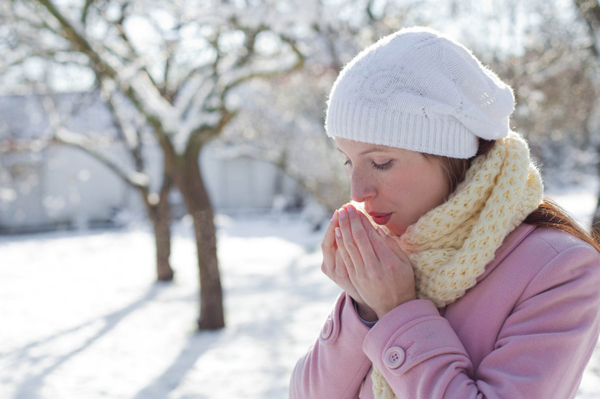
- With body heat (eg. Put frostbitten fingers under the armpits, or cup the frostbitten face or ears in the hands)
- Or, immerse the affected body part in warm (comfortable to touch) water until it is red and warm
- Afterwards apply a loose, dry dressing (do not break any blisters) to protect the injury